

Inside the Future of Sports Apparel Latest Trends Every Enthusiast Should Know

Sports apparel has moved far beyond matching kits and breathable tees. The best pieces now feel like equipment, not clothing. They cool, stretch, compress, protect, recover, and still look good enough for a café stop after training.
The latest trends within the sports apparel industry are being shaped by three forces: better materials, more thoughtful design, and a growing demand for products that last. For sports apparel enthusiasts, that makes this a fun time to pay attention. The smallest details, from seam placement to fabric texture, can change how a run, lift, ride, or match feels.

Performance fabrics are getting smarter and softer
For years, sportswear chased one main goal: keep sweat away from the skin. That still matters, but the fabric story has become richer.
Modern performance apparel now blends moisture control with soft hand feel, stretch recovery, durability, and odour resistance. A running shirt no longer has to feel shiny or stiff to perform well. Many newer fabrics feel closer to casual cotton but dry much faster and hold their shape better.
A few material trends stand out:
Recycled polyester and nylon
These are now common in running tops, training shorts, and outer layers. The feel has improved a lot, moving away from rough early versions.
Merino blends
Merino wool continues to grow in training, hiking, and travel apparel because it regulates temperature well and resists odour naturally.
Seamless knits
Seamless construction reduces rubbing and lets designers place stretch, support, and breathability exactly where the body needs them.
The most exciting shift is that performance no longer demands discomfort. The best fabrics now disappear during movement.
Temperature control is becoming a design priority
Weather has always tested sports apparel. Heat, rain, humidity, and sudden wind can ruin a session quickly. Newer garments aim to help the body manage changing conditions rather than simply block them.
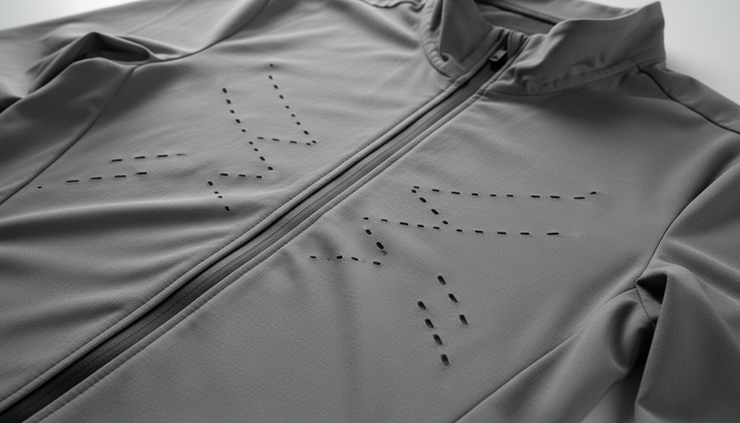
Lightweight shells are becoming more breathable. Cold-weather base layers are getting thinner but warmer. Vent zones are being mapped around high-heat areas such as the back, underarms, and behind the knees.
This matters in Japan’s mixed climate too. A training kit that works during humid summer evenings may fail in dry winter wind. That has pushed more interest toward adaptable layers.
The strongest pieces now often share a few traits:
Low weight
Fast drying
Easy packing
Stretch under outer layers
Breathable panels in sweat-heavy zones
Think less bulky jacket, more protective second skin.
Recovery wear is moving into the mainstream
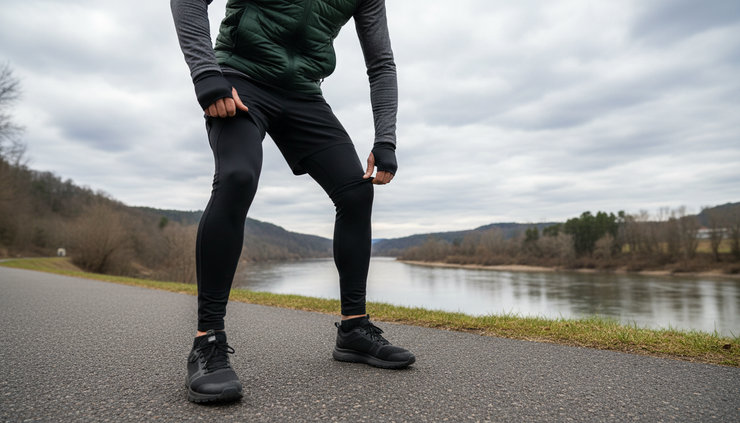
Compression gear used to be the most visible recovery category. It still has a place, especially in tights, calf sleeves, and fitted tops. Now the recovery idea has spread into looser, more comfortable pieces.
Post-training hoodies, soft joggers, relaxed base layers, and sleep-friendly garments are being designed with recovery in mind. The promise is not magic. Good recovery still depends on rest, food, hydration, and smart training. Yet clothing can support comfort after hard effort.
The trend is easy to understand. Athletes and serious amateurs do not only care about the workout. They care about what happens before and after it.
That has created a new category between activewear and loungewear. It uses smooth fabrics, gentle stretch, flat seams, and relaxed cuts. The goal is simple: help the body settle down after high output.
Sportswear is becoming everyday clothing
Athleisure is not new, but it is changing. The loud, logo-heavy look is giving way to cleaner shapes, better tailoring, and quieter colour palettes.
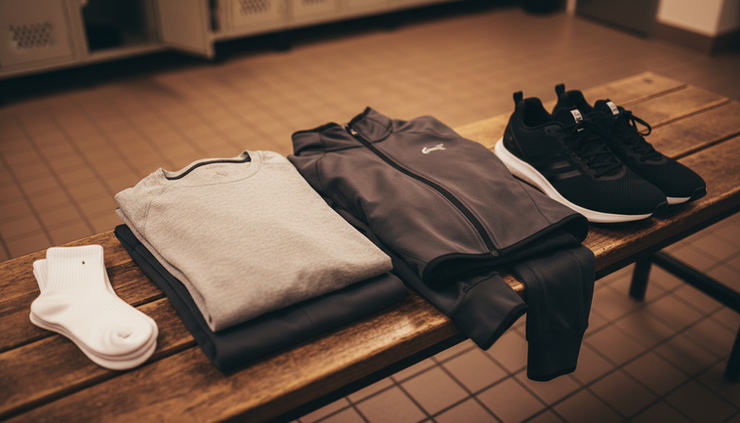
Technical pants now pass as casual trousers. Stretch jackets work for cycling, travel, and weekend errands. Training tops are being cut with better collars and hems, so they do not look out of place off the court or outside the gym.
The most appealing pieces share hidden performance. They look simple, but the fabric tells a different story. They stretch when you move, resist wrinkles in a gym bag, and dry quickly after light rain.
This is especially useful for people who move through several activities in one day. A good outfit may handle a commute, a short workout, lunch, and an evening walk without needing a full change.
Fit is becoming more personal
Sports apparel fit used to be basic: tight for performance, loose for comfort. That is changing fast.
Designers now pay closer attention to body movement, not just body size. A shirt must lift with the shoulders. Tights must stay in place during deep squats. Shorts need enough room for sprinting without excess fabric catching the thigh.
Better fit also means broader size ranges and more inclusive cuts. The industry still has work to do, but progress is clear. More brands are learning that athletes come in many shapes, and performance apparel should reflect that.
There is also more focus on sport-specific fit. A trail running vest, a padel shirt, weightlifting shorts, and yoga leggings all need different movement patterns. Enthusiasts can now choose gear built for their sport, rather than forcing one generic product to do everything.
Sustainability is shifting from claim to construction
Sustainability in sports apparel used to sit mostly on hang tags. Now it is moving into product design.
Recycled fibres remain a major part of the conversation, but they are only one piece. Durability matters just as much. A garment that lasts longer often makes more sense than one that looks eco-friendly but wears out quickly.
The next phase includes:
Repairable zippers and panels
Mono-material garments that are easier to recycle
Dye processes that use less water
Take-back and resale programmes
Timeless colours that do not feel dated after one season
For enthusiasts, this changes how value is judged. A great jacket is not just the newest one. It is the one that still performs after months of sweat, washes, travel, and weather.
Smart apparel is coming, but slowly
Smart textiles sound exciting, and some ideas already exist. Sensors can track movement, posture, heart rate, or muscle activity. Heated jackets and temperature-reactive materials also have real use cases.
Still, the smartest trend may be restraint. Sports apparel has to survive washing, friction, sweat, and repeated stretching. If technology makes a garment fragile or annoying to charge, many athletes will skip it.
The most useful smart apparel will likely be subtle. It will collect helpful data or add comfort without making the clothing feel like a device.
The future belongs to gear that does more with less
The best sports apparel of the next few years will not need to shout. It will feel lighter, fit better, last longer, and work across more parts of daily life.
For enthusiasts, the fun is in the details. Check how a fabric feels after movement, not just on the hanger. Look at seam placement. Notice whether pockets bounce, waistbands roll, or jackets trap heat. The future of sports apparel is not only about new materials. It is about clothing that understands the body in motion.
Make sure to visit: www.sports-biz-apparel.com


Comments